





Wilder venció monótono combate, iniciando el camino para demasiado tardía pelea con Joshua
Daniel Pi
@BastionBoxeo
Después de la abrumadora derrota ante Parker y de ser vapuleado por Zhilei Zhang quedó bastante claro que el futuro del excampeón mundial del peso pesado Deontay Wilder 44(43KO)-4(3)-1 difícilmente pasaba ya por combates en la élite, y que empezaba a ser hora de que colgase los guantes ¡Especialmente habiendo logrado solo una victoria desde 2019! Sin embargo, el boxeo tiene la característica de que cualquier púgil con renombre siempre puede aspirar a una buena bolsa incluso si no tiene ya nivel competitivo, claro ejemplo de lo cual fue el choque Amir Khan vs. Kell Brook.
Así, ya se ha empezado a maniobrar para intentar resucitar un duelo entre Wilder y Anthony Joshua, pelea que llegaría siete, ocho o nueve años tarde y que carece totalmente del interés que una vez tuvo, pero que todavía atraería miradas (y mucho dinero) por una mezcla de nostalgia de algunos fans y de ignorancia de otros.
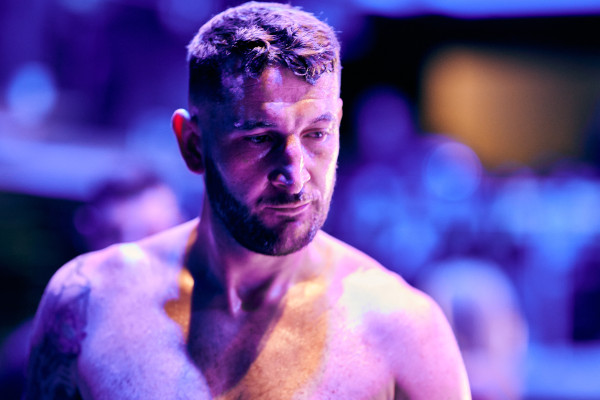
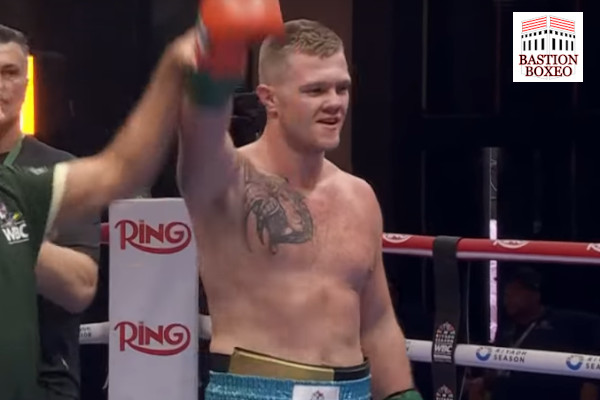
Con todo, antes de que todas las partes implicadas puedan embolsarse una enorme suma, había que empezar por devolver al ring a los boxeadores, cosa que anoche hizo Wilder, un año después de su último combate. En su retorno en el Charles Koch Arena de Wichita, Estados Unidos, Wilder se midió a un rival de nivel bajo como Tyrrell Anthony Herndon 24(15KO)-6(5), que había padecido todas sus derrotas antes de que terminase el tercer round. Pese a ello el exmonarca necesitó siete rounds para lograr el KOT.
Quizás intentando mostrar una supuesta mejora técnica, táctica y mental, Wilder no se abalanzó sobre su contrincante lanzando golpes de poder como habría hecho en otro tiempo, si no que se limitó a tirar jabs ante un Herndon que, como un compañero de sparring al que se le ha pedido que no ataque para poder ensayar una táctica, se limitó en gran parte a desplazarse por el ring intentando esquivar los golpes del excampeón. Cuando tímidamente se decidió a atacar una vez en el segundo asalto, Herndon fue derribado por un tosco gancho zurdo a la contra, de modo que esto le disuadió casi definitivamente de volver a lanzar una ofensiva.
Por lo demás, Wilder siguió tirando su jab sin prisas, dando evidentes opciones de contragolpe que un púgil de élite habría aprovechado fácilmente, hasta que a partir del cuarto asalto empezó a atacar con su derecha. Rápidamente, sus ofensivas fueron aumentando hasta que Wilder dejó salir su forma de combatir natural: arrojando derechazos sin técnica ni inteligencia buscando el knockout. Herndon se vio abrumado por las ofensivas de su rival y quedó prolongadamente encerrado en las cuerdas, limitándose a agacharse después de que Wilder tirase ganchos y directos sin orden ni astucia.
No obstante, llegaron suficientes puños como para que en el sexto round Herndon recibiese una nueva cuenta al ser sostenido por las cuerdas. Finalmente, en el séptimo asalto, tras un claro derechazo mientras intentaba retroceder, Herndon vio como el árbitro detenía el combate.

Wilder won dull fight, taking the first step toward an outdated bout with Joshua
Daniel Pi
@BastionBoxing
After his overwhelming defeat to Parker and being battered by Zhilei Zhang, it became quite clear that the future of former heavyweight world champion Deontay Wilder 44(43KO)-4(3)-1 likely no longer involved elite-level bouts, and that it was time for him to hang up the gloves —especially having secured just one win since 2019!— However, boxing has the peculiar trait that any well known fighter can still land a big payday even if they’re no longer competitive, a clear example being Amir Khan vs. Kell Brook.
So, moves have already begun to revive a showdown between Wilder and Anthony Joshua, a fight arriving seven, eight, or even nine years too late, completely lacking the interest it once held, but still able to draw eyes (and plenty of money) thanks to a mix of nostalgia from some fans and ignorance from others.
Still, before all parties involved can cash in, the boxers first had to return to the ring—which Wilder did last night, a year after his last fight. In his comeback at the Charles Koch Arena in Wichita, United States, Wilder faced a low-tier opponent in Tyrrell Anthony Herndon 24(15KO)-6(5), who had suffered all his losses before the end of the third round. Even so, the former champ needed seven rounds to get the TKO.
Perhaps trying to show supposed technical, tactical, and mental improvement, Wilder didn’t charge in throwing power shots like he once would have, instead sticking to jabs against Herndon who—like a sparring partner told not to punch back so a tactic can be rehearsed—mostly moved around the ring trying to dodge the former champion punches. When Herndon timidly tried to attack once in the second round, he was dropped by a clumsy counter left hook, which pretty much discouraged him from launching another offense.
Beyond that, Wilder continued jabbing without haste, offering clear counterpunching opportunities that a top-level fighter would’ve easily exploited, until starting in the fourth round he began launching his right hand. Quickly, his attacks intesified until Wilder reverted to his natural fighting style: swinging right hands without technique or intelligence in search of the knockout. Herndon was overwhelmed by the flurries, ending up pinned against the ropes for long stretches, ducking after Wilder threw hooks and straight punches without order or cunning.
Still, enough punches landed for Herndon to receive another count in the sixth round after being held up by the ropes. Finally, in the seventh, after a clear right hand while trying to back away, Herndon saw the referee step in and stop the fight.